 Martino
Fri Jul 05 2024
|
6 answers
1736
Martino
Fri Jul 05 2024
|
6 answers
1736
What do crypto currency icons look like?
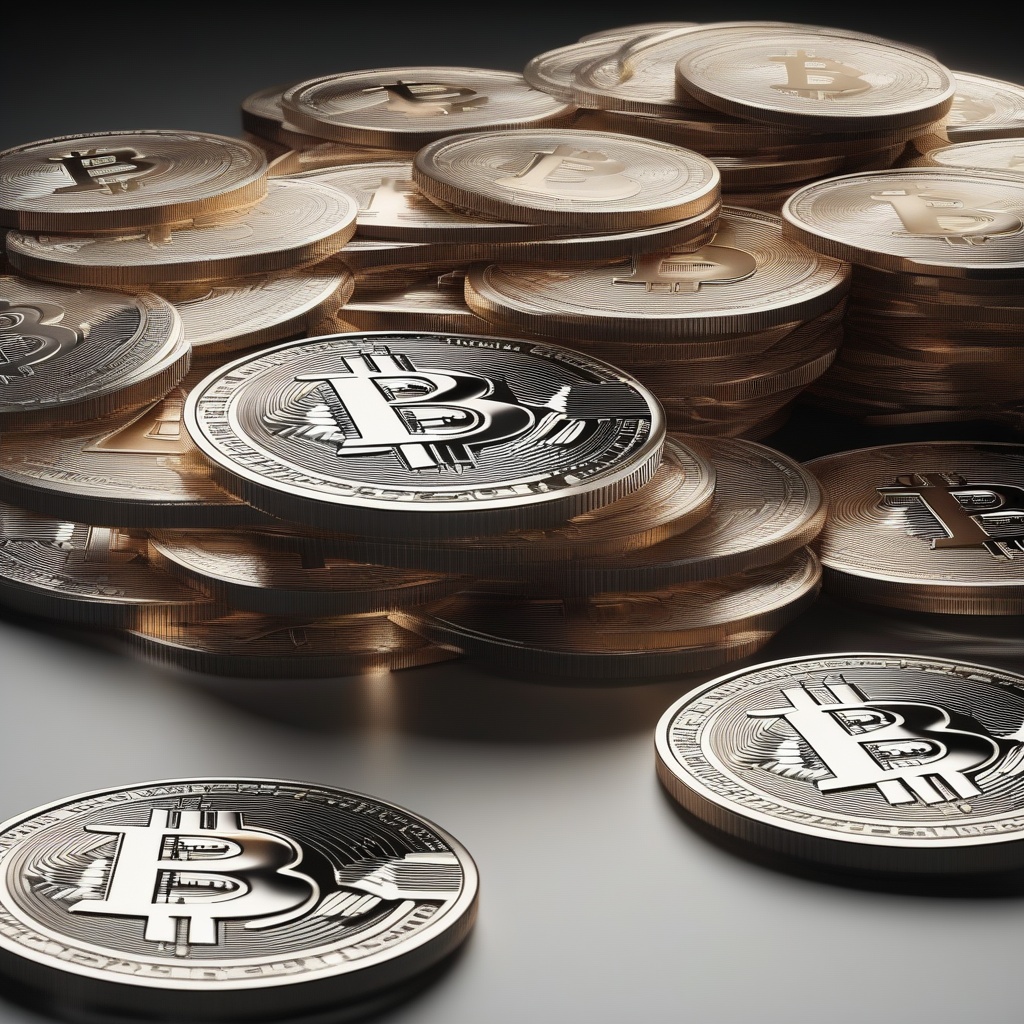
Curious minds often inquire, "What do crypto currency icons look like?" Indeed, the visual representations of these digital currencies are as diverse as the technologies they power. Many crypto icons are designed to evoke a sense of futuristic technology, often featuring sleek lines, geometric shapes, and vibrant colors. Some icons represent the name or initials of the cryptocurrency, while others are abstract symbols that aim to capture the essence of the digital world. For instance, Bitcoin's icon is a stylized "B" within a circle, evoking simplicity and universality. Ethereum's icon, on the other hand, depicts a Greek capital letter "E" with an underline, symbolizing the network's smart contract capabilities. These unique visual identities not only help distinguish various cryptos but also contribute to their branding and cultural identity.

 GeishaMelodious
Fri Jul 05 2024
|
6 answers
1467
GeishaMelodious
Fri Jul 05 2024
|
6 answers
1467
How do I buy cryptocurrencies If I'm a first-time buyer?
If you're a first-time buyer interested in purchasing cryptocurrencies, there are several steps you can take to navigate the process safely. First and foremost, educate yourself. Understanding the basics of cryptocurrencies, such as blockchain technology, wallets, and trading platforms, is crucial. Once you have a foundation, you'll need to choose a reliable exchange or brokerage. Look for one that offers a user-friendly interface, good customer support, and a variety of cryptocurrencies to choose from. Next, create an account and verify your identity, which is often a regulatory requirement. Be prepared to provide personal information and proof of identity. Once your account is set up, you'll need to fund it. This can be done through various methods, such as bank transfers, credit/debit cards, or even cryptocurrencies you already own. With funds in your account, you're ready to make your first purchase. Use the exchange's search function to find the cryptocurrency you're interested in and enter the amount you want to buy. Confirm the transaction and wait for the funds to be transferred to your wallet. Remember to keep your wallet secure by using strong passwords and regularly updating your security measures. Finally, it's important to monitor your investments regularly and stay informed about the market. Cryptocurrencies are volatile, so being prepared for both ups and downs is crucial. By following these steps, you'll be well on your way to purchasing cryptocurrencies as a first-time buyer.

 Stefano
Fri Jul 05 2024
|
7 answers
1733
Stefano
Fri Jul 05 2024
|
7 answers
1733
Is deribit a good exchange for options trading?
As a crypto enthusiast, I'm curious to know if Deribit stands out as a top choice for options trading. Given its reputation and track record, is Deribit's platform robust enough to handle the complexities of options trading? Does it offer a wide range of options contracts and sufficient liquidity to facilitate smooth trades? Moreover, how does Deribit's pricing compare to other exchanges, and does it provide competitive fees for options traders? Lastly, is Deribit's customer support responsive and able to assist with any issues that may arise during trading? I'm eager to learn if Deribit truly deserves its reputation as a premier options trading platform.
 Valeria
Fri Jul 05 2024
|
5 answers
840
Valeria
Fri Jul 05 2024
|
5 answers
840
Do cryptocurrencies have to be registered with the SEC?
Could you elaborate on whether or not cryptocurrencies are subject to registration requirements with the Securities and Exchange Commission (SEC)? Given the dynamic nature of the cryptocurrency market and the lack of a clear regulatory framework, it's unclear if these digital assets fall under the SEC's jurisdiction. Are there specific criteria that determine if a cryptocurrency should be registered? If so, what are those criteria? Additionally, what are the potential consequences for a cryptocurrency issuer or operator that fails to register with the SEC if required?

 BlockchainBaron
Fri Jul 05 2024
|
6 answers
1624
BlockchainBaron
Fri Jul 05 2024
|
6 answers
1624
What happened to cryptocurrencies on Black Friday?
On Black Friday, the cryptocurrency market experienced a significant shift in its dynamics. Could you elaborate on the specific events that transpired? Did the prices of major cryptos like Bitcoin and Ethereum experience a sudden surge or decline? Were there any notable patterns in the trading volume during this period? Did the market react to any particular news or announcements? Did investors seem to be taking a cautious or optimistic approach? And finally, what are the potential implications of these Black Friday developments for the long-term trajectory of the cryptocurrency market?