 Dario
Sat May 11 2024
|
7 answers
1227
Dario
Sat May 11 2024
|
7 answers
1227
Why is bitcoin dropping?
Why is bitcoin dropping?" This question is echoing through the minds of many investors and enthusiasts in the cryptocurrency world. The recent decline in bitcoin's price has sparked curiosity and concern, prompting a closer look at the underlying factors. Could it be the result of regulatory pressures from governments around the world? Or perhaps it's a natural correction following a period of exuberant growth? Is it linked to broader macroeconomic trends or specific events in the crypto ecosystem? The questioner's tone suggests a desire to understand the complexity of the cryptocurrency market, seeking answers that can provide insight into the volatile nature of bitcoin's price movements. With so many variables at play, it's a challenge to pinpoint the exact reasons behind the drop, but a thorough analysis may reveal some clues.
 lucas_jackson_pilot
Sat May 11 2024
|
7 answers
1530
lucas_jackson_pilot
Sat May 11 2024
|
7 answers
1530
How to earn Bitcoin?
Ah, the allure of Bitcoin! I've heard so much about it, but I'm still scratching my head about how to earn some. Could you please enlighten me? I'm not really tech-savvy, so I'd appreciate it if you could explain it in layman's terms. I've heard about mining, but is that the only way? Are there any easier methods for someone like me to get started? And how do I ensure the safety of my earnings? I've heard stories of people losing their Bitcoins due to hacks and scams. Could you guide me on how to navigate this crypto world safely? I'm really eager to get into it but don't want to end up losing money in the process. Thanks in advance for your help!
 Chiara
Sat May 11 2024
|
5 answers
1246
Chiara
Sat May 11 2024
|
5 answers
1246
How many people use Bitcoin in China?
I'm curious to know, given the fluctuating regulations and the increasing interest in cryptocurrency worldwide, how many individuals in China actually utilize Bitcoin? Given the complexity and uncertainty surrounding digital currencies in China, I imagine it might be quite challenging to obtain a precise figure. But still, it would be fascinating to get a general sense of the scale of Bitcoin usage in the country. Could you possibly shed some light on this matter? It would greatly assist me in understanding the cryptocurrency landscape in China.
 benjamin_cole_nurse
Sat May 11 2024
|
5 answers
1109
benjamin_cole_nurse
Sat May 11 2024
|
5 answers
1109
Who is the biggest investor in Bitcoin?
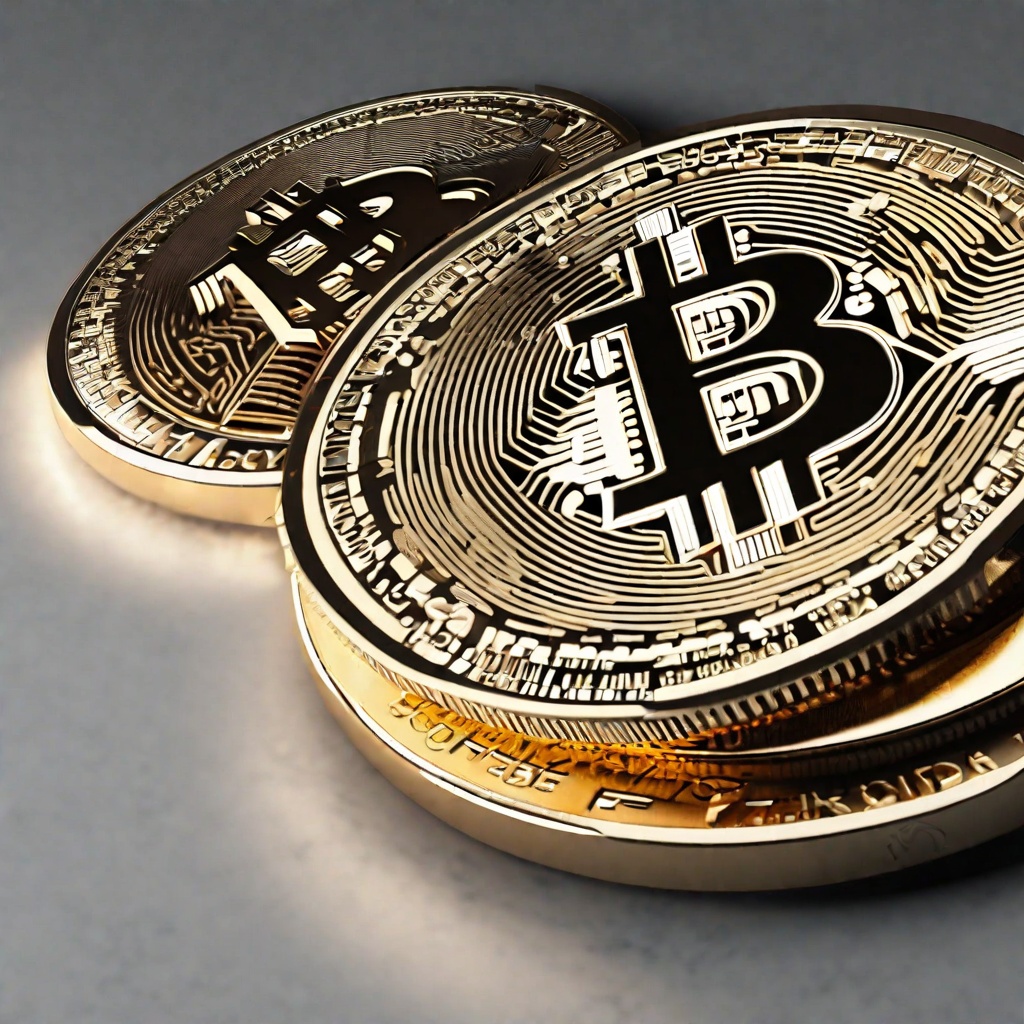
Who exactly holds the lion's share of Bitcoin investments? This question lingers in the minds of many cryptocurrency enthusiasts, seeking to understand the intricate web of investors and their strategies. Is it a shadowy figure operating from the depths of the internet? Or perhaps a well-known financial institution, boldly staking its claim in this volatile yet potentially lucrative market? The truth is, pinpointing the "biggest investor" in Bitcoin is a challenging task. The cryptocurrency landscape is constantly shifting, with new players entering the fray and established ones adjusting their strategies. Moreover, the anonymity and decentralization inherent in cryptocurrencies make it difficult to track individual holdings accurately. However, one can speculate based on public information and market trends. Large institutional investors, hedge funds, and even some individual billionaires have been known to have significant investments in Bitcoin. Their moves often influence the market significantly, sparking rallies or corrections depending on their buying or selling activity. Yet, it's important to remember that the "biggest investor" is not necessarily the most influential or successful one. The cryptocurrency market is volatile and unpredictable, and even the largest investors can face significant losses. In the end, the true measure of success lies in the long-term strategy and vision of each investor, not just their current holdings.
 RainbowlitDelight
Sat May 11 2024
|
5 answers
1399
RainbowlitDelight
Sat May 11 2024
|
5 answers
1399
Why can't Bitcoin be a currency?
Why can't Bitcoin be a currency?" you ask, eyebrows furrowed in confusion. It's a valid question, indeed. After all, Bitcoin was born with the promise of revolutionizing the financial landscape. But let's delve deeper into the intricacies of it all. For starters, Bitcoin lacks the stability and regulation of traditional currencies. Its value fluctuates wildly, making it unsuitable for daily transactions. Imagine buying a coffee with Bitcoin and finding out the next day that your payment doubled or halved in value. That's not very practical, is it? Moreover, Bitcoin's decentralized nature poses challenges in terms of governance and dispute resolution. Who regulates it? How do we ensure fairness and transparency? These are questions that haven't been fully answered yet. Lastly, Bitcoin's scalability remains a concern. While it's great for small transactions, it struggles to handle the volume of larger, more complex financial systems. This limits its use as a mainstream currency. So, while Bitcoin has its merits and holds promise for the future, it still has a long way to go before it can truly be considered a currency. But hey, who knows? With time and advancements, Bitcoin or something like it may one day take its rightful place in the global economy.